
In a surprising turn of events, St Johnstone chief executive Fran Smith has opened the door for Celtic supporters to potentially occupy three stands at McDiarmid Park in the upcoming season. This decision, still under consideration, could significantly impact the atmosphere during matches, especially given the intensity of the rivalry between the two clubs. As both teams gear up for the challenges ahead, the implications of such a move could resonate beyond mere ticket sales.
Historical Context of Celtic at McDiarmid Park
The relationship between St Johnstone and Celtic has always been charged with history, rivalry, and competitive spirit. In previous seasons, Celtic fans have typically been allocated the East Stand, which provides a substantial but limited view of the action on the pitch. This allocation has been a point of contention among supporters, with many calling for more significant representation from the visiting fans.
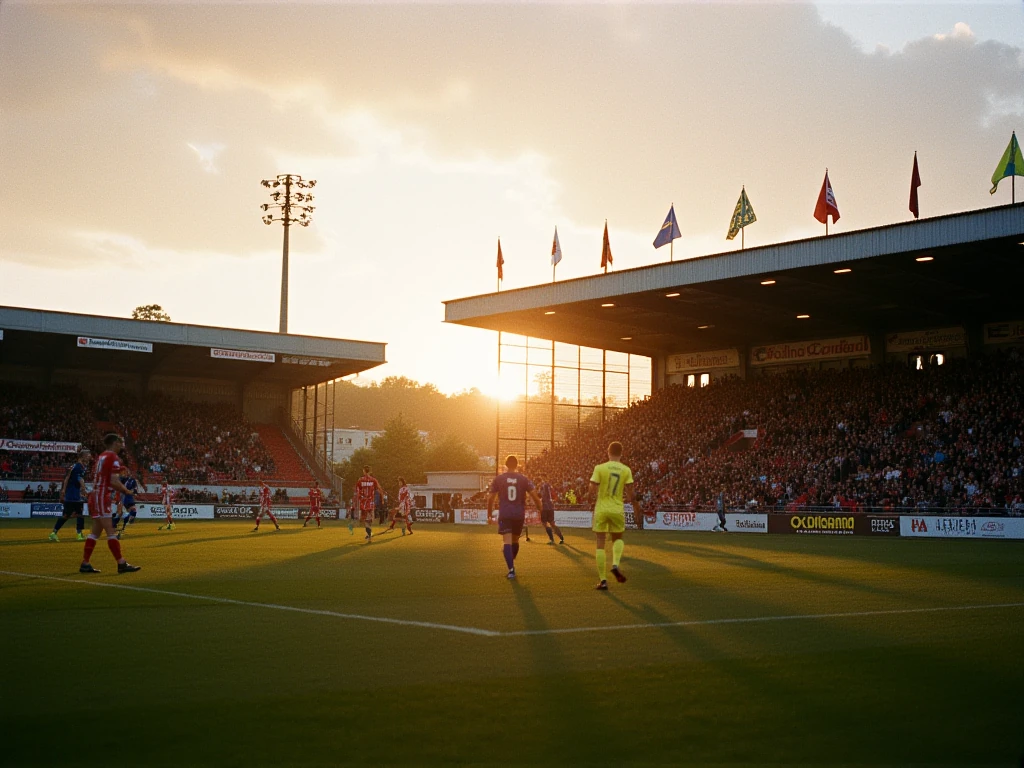
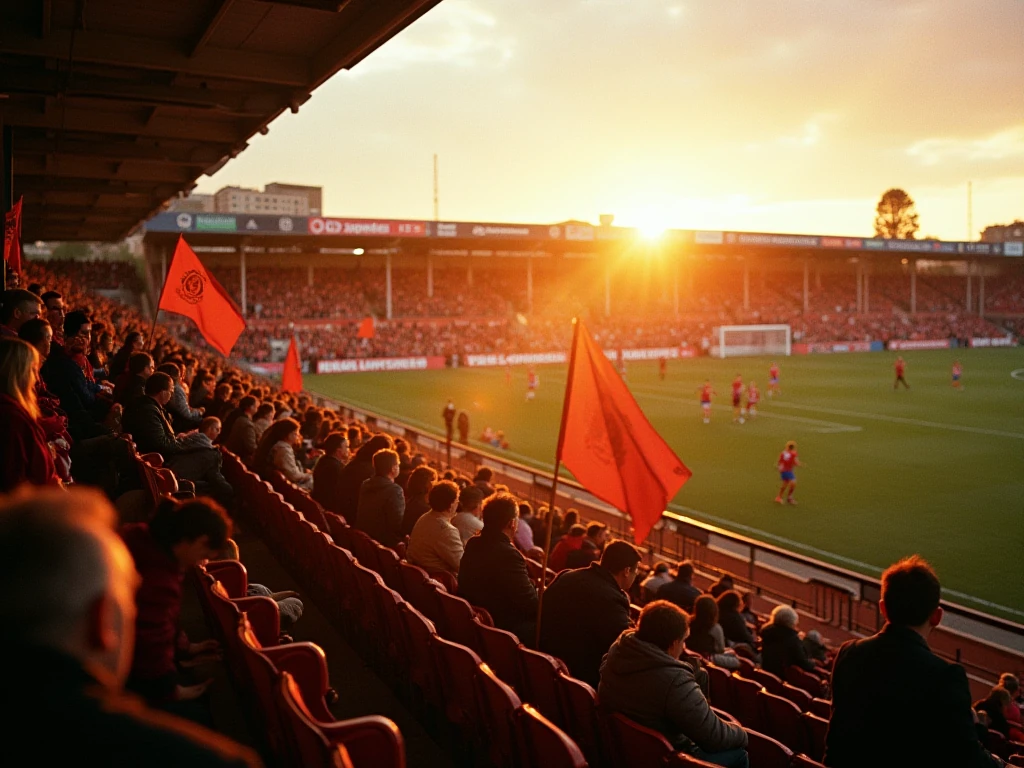
Expanding the ticket allocation for Celtic to three stands would not only accommodate more fans but also enhance the overall matchday experience. The last time Celtic had a large contingent at McDiarmid Park, the atmosphere was electric, with chants echoing around the stadium, creating a vibrant spectacle. This move could rekindle that spirit and elevate the standard of Scottish football encounters.
The Financial Implications
From a financial standpoint, allowing Celtic fans into three stands could provide a much-needed boost to St Johnstone's revenue streams. The additional ticket sales would significantly impact the club's finances, especially given the constraints faced by many teams in the Scottish Championship.
- Increased Revenue: More tickets sold means more income, which can be reinvested into the team.
- Sponsorship Opportunities: A larger attendance may attract more sponsorship deals and community engagement.
- Fan Engagement: Increased attendance fosters a more vibrant atmosphere, attracting future fans and improving community ties.
Financially, this decision could prove to be a wise one, considering the ongoing challenges of competing in the Scottish Championship. The club must balance this with the desire to maintain a home advantage, though, as the atmosphere can shift dramatically with a large away contingent.
What It Means for St Johnstone's Strategy
Adapting to the potential increase in Celtic's allocation reflects a strategic shift for St Johnstone. By welcoming more away fans, the club demonstrates a willingness to embrace the competitive nature of Scottish football and enhance the matchday environment.
This strategy could be twofold: not only does it cater to the demands of rival fans, but it also positions St Johnstone as a welcoming club that values inclusivity and the community spirit surrounding football. Additionally, it could encourage other clubs to follow suit, fostering a more hospitable atmosphere across the league.
Fan Reaction: Voices from the Stands
The potential change has sparked varied reactions among St Johnstone supporters. While some are excited about the prospect of a lively atmosphere with more Celtic fans in attendance, others express concerns regarding the home advantage and the impact on the team's performance.
Many fans have taken to social media to voice their opinions: - Supporters in Favor: "More fans = more atmosphere! It’s exciting to have a packed stadium." - Concerns About Home Advantage: "We need to protect our fortress. Too many away fans can sway the game in their favor." - Neutral Perspective: "It’s all about the game. Let the best team win, regardless of who’s in the stands."
This split in opinion underscores the complexity of the decision. The club will need to balance the financial benefits against the potential risks to team morale and performance.
The Bigger Picture: Scottish Football Dynamics
St Johnstone’s decision to reconsider ticket allocations resonates within the broader context of Scottish football. As clubs adapt to changing fan dynamics and economic pressures, this move could set a precedent for how teams engage with their rivals.
In recent years, the Scottish Championship has seen fluctuating attendance numbers, and clubs are increasingly looking for innovative ways to attract supporters. By expanding ticket allocations, St Johnstone is taking a proactive approach, potentially influencing how other teams manage their fan engagement strategies.
Moreover, this could inspire a re-evaluation of away allocations across the league, fostering a culture of inclusivity and mutual respect among rival clubs. If fans feel welcomed, they are more likely to return, which is ultimately beneficial for all clubs involved.
What's Next
Looking ahead, St Johnstone is expected to finalize its decision on Celtic's ticket allocation in the coming weeks. As the new season approaches, how the club chooses to navigate this situation will undoubtedly affect its relationship with both its supporters and rival fans.
With the potential for significant financial gains, enhanced matchday experiences, and a redefined competitive spirit, St Johnstone stands at a crossroads. As they weigh the pros and cons, fans will eagerly await the outcome, hoping for a decision that enriches the fabric of Scottish football while maintaining the integrity of the home advantage. The upcoming season promises to be filled with intrigue as these developments unfold.