
Introduction
ST Johnstone, fondly known as The Saints, have been battling it out in the Scottish Championship, with their recent performances reflecting both promise and inconsistency. As the club looks to secure their position for a push towards promotion, a tactical analysis reveals potential tweaks that could enhance their on-field effectiveness.
Current Tactical Setup
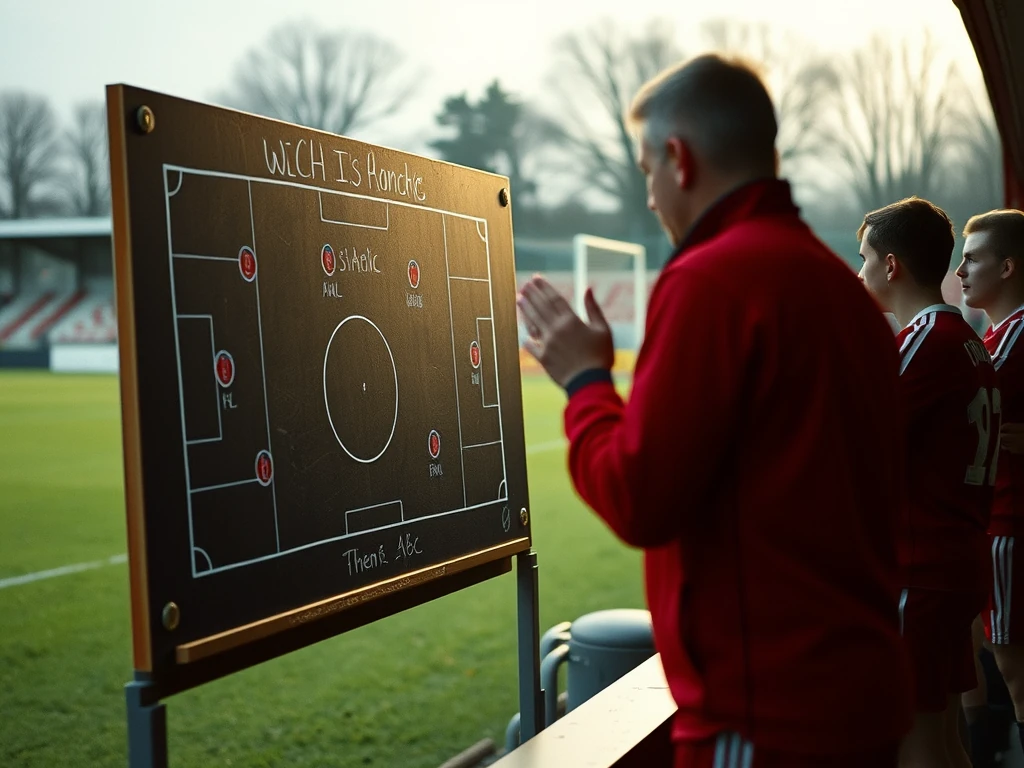
In recent weeks, ST Johnstone has employed a 4-2-3-1 formation, which has allowed for some fluidity in attack and stability in midfield. However, this setup has also been prone to vulnerabilities, particularly in transitions and when facing teams that apply high pressing.
Pressing Strategy
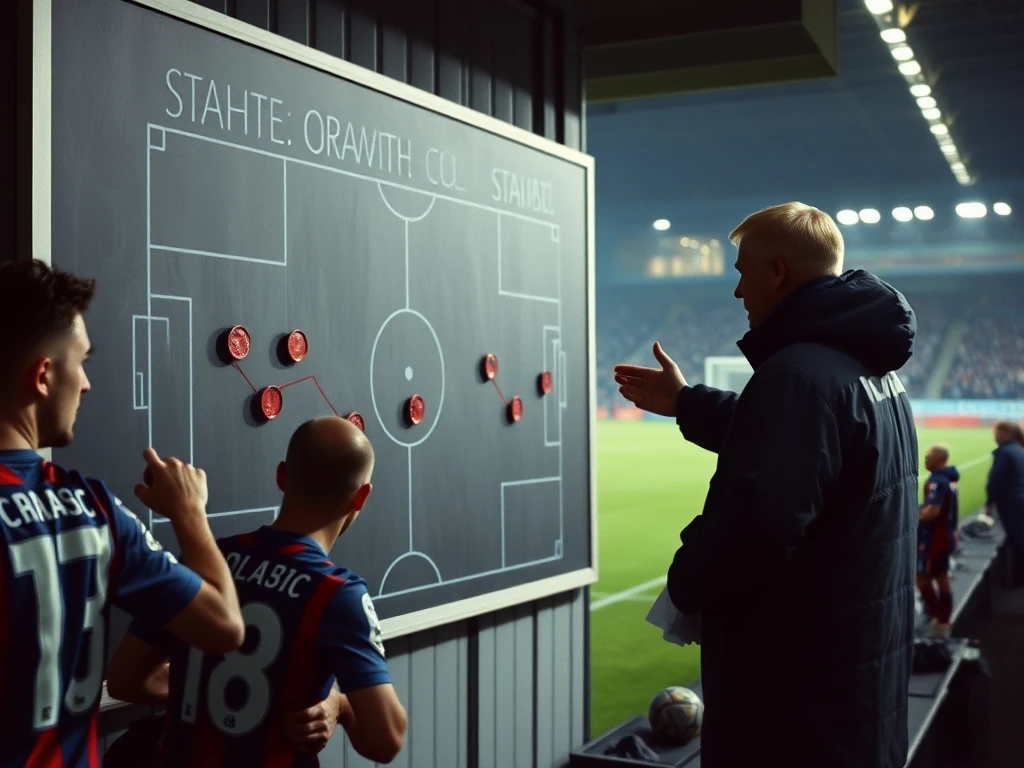
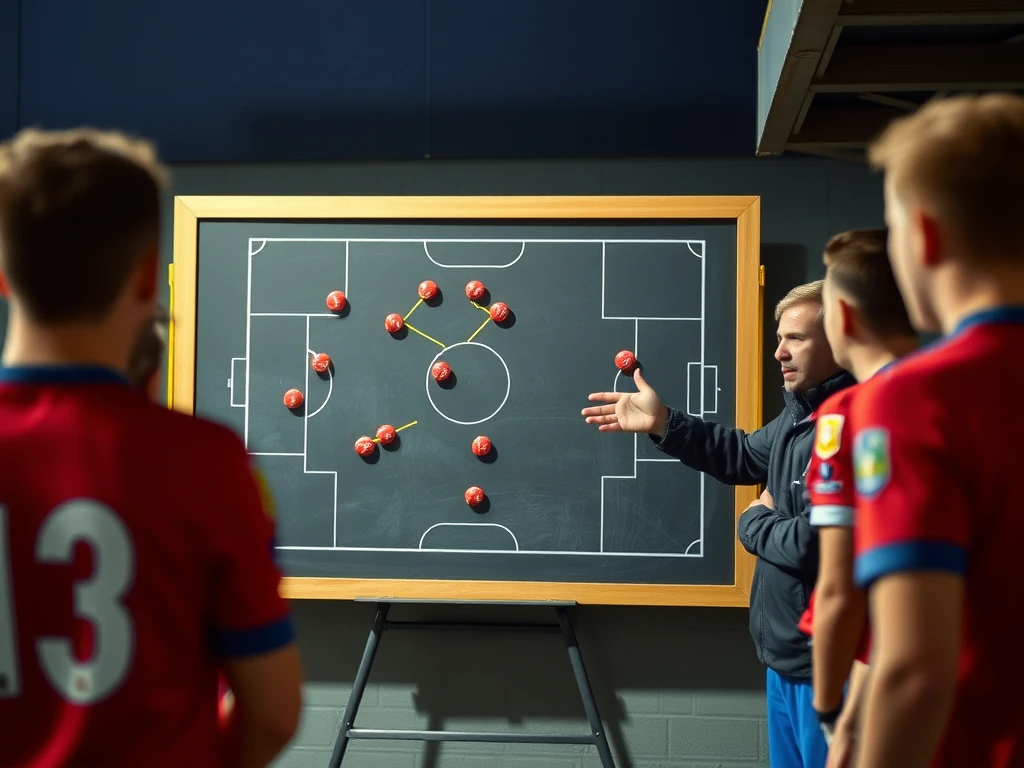
While The Saints have shown the capability to press effectively, their execution often lacks coordination, leading to gaps that opponents can exploit. To remedy this, a more structured pressing system is recommended. Implementing a staggered press, with the front three applying pressure on the opposing centre-backs while the midfielders cut off passing lanes, could disrupt the opposition's build-up play more effectively. This would not only help regain possession higher up the pitch but also instill a greater sense of urgency in the players.
Midfield Rotation and Depth
The midfield has been the engine room for ST Johnstone, but there are opportunities to better utilize the players at the manager's disposal. By rotating the midfielders more frequently, especially in high-energy encounters, the team can maintain intensity and freshness throughout the match. Implementing a double pivot system during crucial periods could also provide additional defensive cover while allowing the attacking midfielders the freedom to roam and support the forwards.
Set Pieces: An Underutilized Weapon
Set pieces have historically been a significant source of goals for many teams, and ST Johnstone should look to capitalize on this aspect more effectively. By conducting a thorough analysis of their set-piece strategies-both defensively and offensively-the club can refine their approach. In attacking scenarios, incorporating varied routines with movement and decoys could confuse defenders, creating more scoring opportunities. Conversely, defensively, ensuring that there is a designated player for marking key threats during corners and free-kicks can limit the opposition's chances.
Defensive Cohesion
Despite a solid defensive record at McDiarmid Park, lapses in concentration have occasionally led to unnecessary goals conceded. Encouraging defenders to maintain better communication and positioning, particularly during transitions, is essential. A more robust defensive line that shifts cohesively as a unit when the ball is lost will help mitigate counter-attacks effectively.
Conclusion
ST Johnstone's recent form has been a mix of commendable performances and frustrating inconsistencies. By implementing these tactical tweaks-enhancing their pressing strategy, rotating midfielders for better energy management, and optimizing set pieces-the Saints can improve their chances of promotion and solidify their position as strong contenders in the Scottish Championship. As the season progresses, it will be crucial for the management to adapt and evolve these tactics to match the demands of the league and their ambitions.