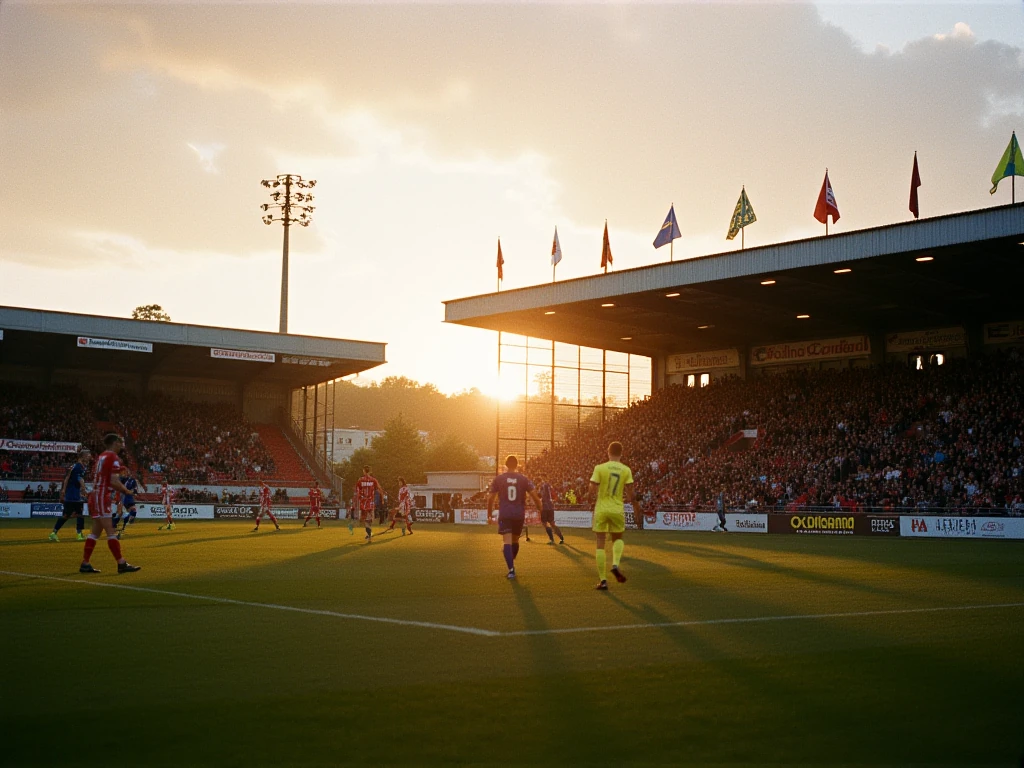
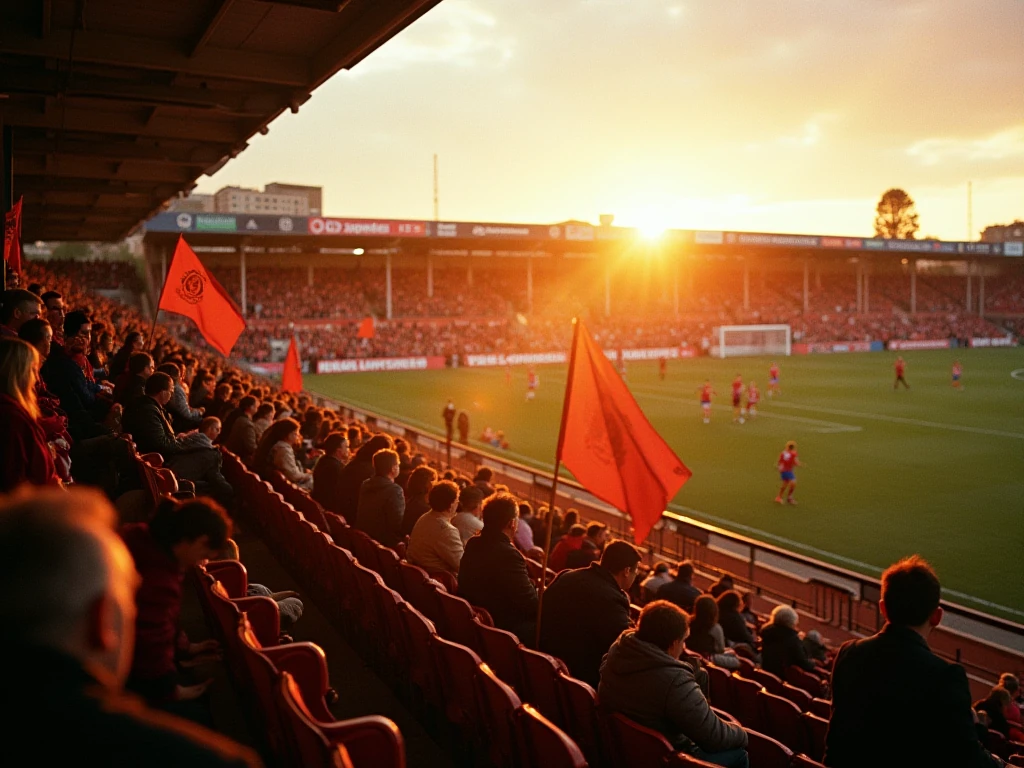
St Johnstone's supporters have taken a bold step in advocating for a more vibrant atmosphere at McDiarmid Park. The fans, represented by the Fair City Unity group, are calling for the introduction of safe-standing areas, particularly during high-profile matches against fierce rivals like Celtic and Rangers. This demand not only reflects a desire for improved fan engagement but also highlights the ongoing evolution of matchday experiences in the Scottish Championship.
The Case for Safe-Standing
Safe-standing has become a hot topic in football circles, especially in the UK, where several clubs have successfully implemented it to enhance the spectator experience. The concept revolves around designated areas where fans can stand safely during matches, fostering a more lively atmosphere. Supporters argue that standing sections can lead to increased vocal support for the team and a more communal experience, particularly during matches against top clubs like Celtic and Rangers.
- Enhanced atmosphere during matches
- Increased vocal support from fans
- Opportunities for more community engagement
- Potentially safer standing arrangements compared to traditional seating
As St Johnstone prepares for the upcoming season, the Fair City Unity group is pushing for the club to explore this option. By creating a safe-standing area, the club can not only cater to the passionate fans but also align itself with modern trends seen in stadiums across Europe. This demand comes amidst a broader conversation about how clubs can adapt to the changing preferences of their supporters.
Fan Sentiment and Community Support
The Fair City Unity group has garnered significant backing from the St Johnstone fanbase, signalling a united front in their quest for change. Supporters feel that the current seating arrangements do not adequately reflect the passionate nature of their support, especially during crucial matches against rivals. Many fans have expressed their views through social media platforms and fan forums, echoing the sentiment that safe-standing could significantly improve the matchday experience.
In recent discussions, fans have voiced their thoughts on the importance of community and camaraderie during matches. The ability to stand together, sing, and cheer for the team is seen as a fundamental part of the football experience. This push for safe-standing is not just about comfort; it's about fostering a sense of belonging and identity within the St Johnstone community.
Past Experiences and Future Aspirations
Historically, St Johnstone has seen its share of passionate displays from fans. Matches against Celtic and Rangers have always brought a heightened sense of excitement and energy. However, many supporters feel that the restrictive nature of seating has diminished the intensity of these encounters.
In contrast, clubs like Celtic have embraced safe-standing with open arms, allowing fans to experience matches in a way that fosters a closer connection to the game. As St Johnstone looks to the future, the call for safe-standing is a clear signal that fans are ready for a change. They want to ensure that the club is not left behind in this significant aspect of fan engagement.
The Broader Impact on Scottish Football
The initiative taken by Fair City Unity could have implications beyond just St Johnstone. If the club successfully implements safe-standing, it may set a precedent for other clubs in the Scottish Championship and beyond. As more clubs explore the feasibility of safe-standing, the landscape of Scottish football could shift, paving the way for a more dynamic and engaging atmosphere in stadiums across the nation.
- Potential for a league-wide shift towards safe-standing
- Encouragement for clubs to invest in fan experience
- Strengthening community ties through shared experiences
- Increased attendance and engagement during home matches
The ripple effects could encourage clubs to rethink their strategies and prioritize the fan experience, which has often been sidelined in favour of commercial interests. As the football landscape continues to evolve, initiatives like this could play a crucial role in shaping the future of how fans engage with their teams.
What St Johnstone's Management Is Saying
While fans have made their voices heard, the response from St Johnstone's management remains crucial. The club has a responsibility to listen to its supporters and assess the viability of implementing safe-standing. Discussions will likely involve evaluating logistical considerations, safety regulations, and financial implications.
Manager Steve Brown has expressed interest in enhancing the stadium experience but also recognizes the complexities involved. The club must balance fan desires with operational realities, ensuring that any changes align with the overall vision for St Johnstone.
What's Next
As the season approaches, the Fair City Unity group's demands will likely gain traction. The club will need to engage in meaningful dialogue with fans, exploring the potential for safe-standing areas at McDiarmid Park. This initiative could redefine the matchday experience for St Johnstone supporters, particularly in high-stakes encounters against Celtic and Rangers.
For the fans, their collective voice is a testament to their passion and dedication to the club. As they push for change, the outcome of this movement could establish a new standard for how St Johnstone interacts with its supporters, ultimately enriching the culture surrounding Scottish football. The coming months will be critical in determining whether these passionate calls for safe-standing will lead to tangible results.